
You know the feeling. You step into the shower hoping to wash the day off, and the water comes out in a weak dribble, or sprays sideways from one clogged hole, or gets cold the second you reach for the shampoo. A shower that works badly makes the whole morning worse.
The fix is often cheaper and easier than people expect. Swapping the shower head is one of the simplest upgrades in a bathroom. The hard part is choosing, because there are a lot of options and most of them sound similar. This guide cuts through it.
The Short Answer
To choose a shower head, decide how you want the shower to feel (rainfall, multi-setting, handheld, or lighting and sound), check that it fits your shower arm and mounting, match it to your water pressure, look at the flow rate, and pick a finish and budget you're happy with. Do those in that order and the choice gets much easier.
Step 1: Decide How You Want Your Shower to Feel
Before you open a single product page, picture your ideal shower. A soft, wide downpour? A strong spray that wakes you up? Something to rinse the tub or wash the dog? The type of shower head you want follows from that.
Rain Shower Heads
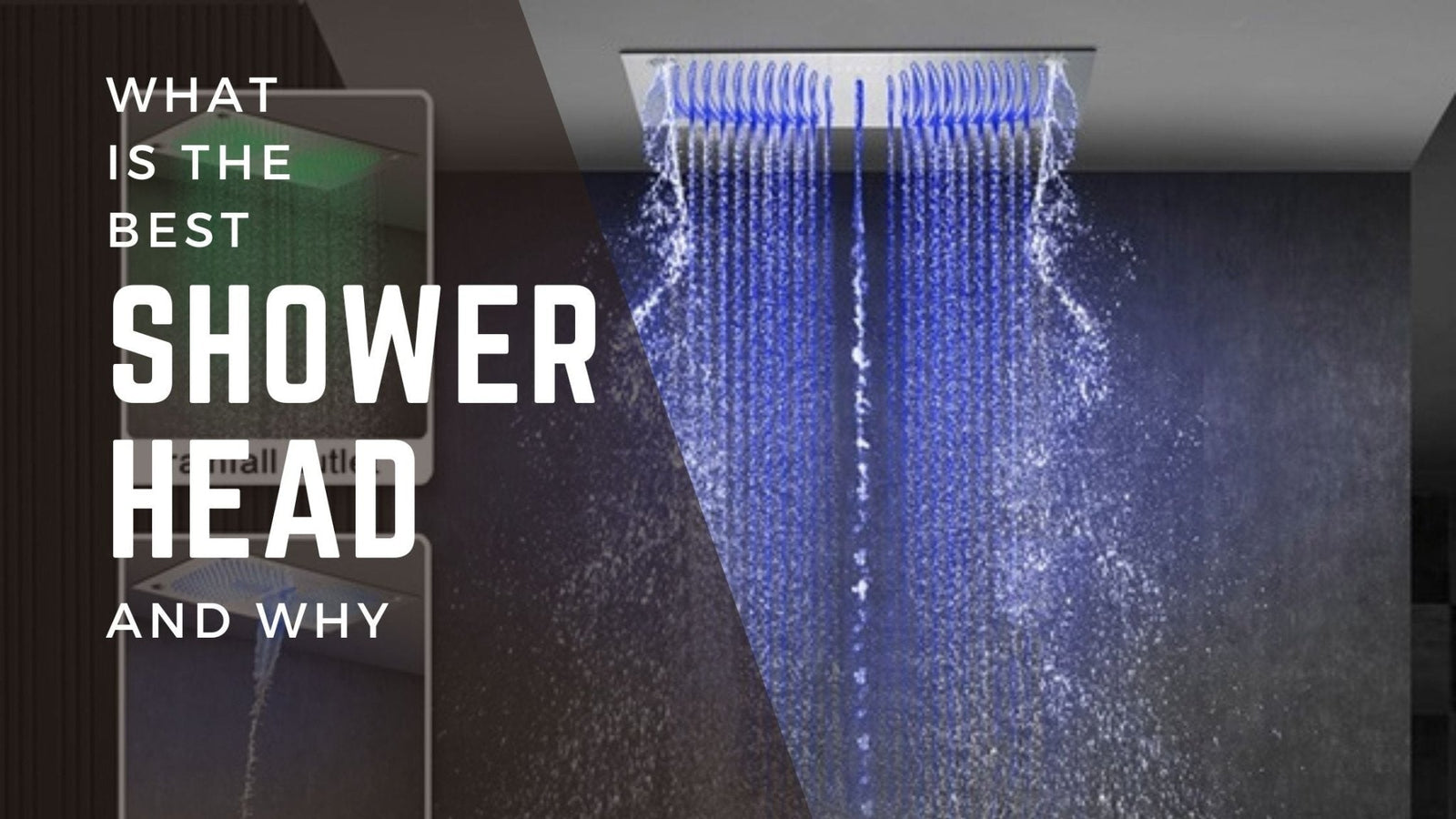
These are wide and flat, and they let water fall over you rather than hitting you from one point. The result is a soft, even feel, which is why they're popular for relaxing. Cascada's rain shower heads include wall-mount heads up to 24 inches and ceiling-mount heads up to 40 inches square.
Multi-Setting Shower Heads
If you like variety, these let you switch between sprays. You might use a strong massage setting on a sore morning and a gentle mist on a lazy one. The catch is more moving parts, so look for a well-built switch.
Handheld Shower Heads
A handheld lets you aim the water where you need it. It's great for rinsing hair, cleaning the shower, bathing kids, or helping someone who needs to stay seated. Many people pair a fixed head with a handheld on the same system. For combo setups, browse Cascada's shower sets and shower systems.
LED and Music Shower Heads
These add lighting, and sometimes a speaker. Cascada's LED rain shower heads and music shower heads are good examples. They add atmosphere, but they don't change how the water performs, so get the water feel right first. If you're weighing the speaker, see our guide to Bluetooth shower heads vs regular models.
Step 2: Check What Fits Your Bathroom
This is the step people skip, then regret. A beautiful shower head that doesn't fit your setup just sits in a box.
First, look at your shower arm. A standard arm comes out of the wall at an angle, and a rain-style head may need a longer arm or a ceiling mount to hang properly. Cascada has both wall-mount shower arms and ceiling-mount shower arms if you need one.
Second, check the connection. Most shower heads use a standard 1/2-inch connection, and Cascada's rain heads do too. Still, confirm it on the listing before you buy.
Third, think about space. A big ceiling-mounted head looks great in a roomy shower and feels overwhelming in a tiny one. A ceiling mount also needs plumbing in the ceiling, which is a bigger job than screwing a head onto an arm. Our guide on wall-mounted vs ceiling-mounted shower heads covers the trade-offs.
Step 3: Match the Head to Your Water Pressure
If your pressure is low, the shower head you pick matters a lot. Here's the honest truth: a shower head can't create pressure. What it can do is make the pressure you have feel better. Some designs use fewer, larger openings or mix air into the water so a weak flow feels fuller. Others are built for high pressure and will feel flat on a weak line.
Before you buy, rule out the easy causes of a weak shower. Mineral buildup in the nozzles is a common one. So is a flow restrictor or a partly closed shutoff valve. If a clean head and open valves don't help, your plumbing or supply may be the real problem, and a plumber can check it. Swapping the shower head won't fix that.
If your pressure is strong, you can choose almost any style. Just be careful with big rain heads on weak pressure, since they spread the water thin.
Step 4: Look at the Flow Rate
Flow rate is measured in gallons per minute. It tells you how much water the head uses, and it affects both your bill and how the shower feels. Cascada's rain heads run between about 1.8 and 2.5 GPM, depending on the model.
Step 5: Choose the Finish and Build
Finish is mostly about style, but it also affects upkeep. Popular options include matte black, brushed nickel, polished chrome, brushed gold, and oil-rubbed bronze. Brushed finishes tend to hide water spots better than polished ones. Try to match the rest of your fixtures, like your faucet and towel bars, so the room looks put together.
For build quality, look for solid, well-finished parts and a smooth switch if the head has multiple settings. Don't judge by weight alone, but a head that feels flimsy in the listing photos and reviews usually is.
Step 6: Set a Budget
Shower heads range from simple and inexpensive to large, feature-heavy models. Decide what you're comfortable spending before you browse, and spend on what you'll notice daily: the spray feel, the build, and a finish that lasts. Extras like lighting and speakers are nice but optional.
A Note on Filtered and LED Heads
Some people choose a filtered head, which adds a cartridge inside. If you're curious, check what the filter is rated to do and how often it needs replacing before you buy. Cascada's filtered shower heads are one place to look.
LED heads change the color of the light in your shower, and some respond to water temperature. Some people find colored light relaxing, and it's a fun touch, but the evidence for real health benefits is limited, so think of it as atmosphere. You can see the options in the LED recessed shower heads collection.
Installing and Looking After Your New Head
Most wall-arm shower heads simply screw onto the arm. Wrap the threads with plumber's tape, hand-tighten, and check for leaks. Ceiling mounts, or anything that changes your plumbing, are better left to a licensed plumber.
For upkeep, clean your shower head every so often to stop mineral buildup. A vinegar and water soak works for many finishes, but check what your finish can handle first, since some finishes don't like acid. Rinse well afterward. Hard-water homes will need to do this more often.
Mistakes to Avoid
Buying on looks alone. If it doesn't fit your arm or your pressure, it won't work, however nice it looks.
Expecting a new head to fix bad plumbing. It can help a weak flow feel better, but it won't solve a real supply problem.
Ignoring the flow rate. It affects your water bill every month.
Overpaying for features you won't use. Lighting and music are fun, but don't let them distract from the basics.
Which One Should You Pick?
If you want to relax, go with a rain head. If you like variety, choose a multi-setting model. If you have kids, pets, or a lot of cleaning to do, add a handheld. If you love atmosphere, look at LED or music models. And if your water pressure is low, focus on a head designed to feel good with less force, and have the pressure checked if the problem is bad. For more ideas, read our guide to the top shower heads for a luxury bathroom upgrade.
To see how these choices look in real products, here are a few from Cascada. For a big, soft downpour, there's the 24" square ceiling mount rainfall shower head or the larger 40" square ceiling mount rainfall shower head, which comes with a shower arm. For lighting, try the LED shower head with rainfall and mist modes. And for music, the Lido 15"x23" music LED shower head has a built-in speaker.
Frequently Asked Questions
How often should I clean my shower head?
It depends on your water. In hard-water areas, mineral buildup shows up faster, so cleaning every month or two helps. In softer-water areas, every few months may be enough. If the spray turns uneven, clean it sooner.
Can a new shower head improve water pressure?
Not really. A new head can make weak pressure feel better, but it can't raise it. If the problem is in your plumbing, a plumber needs to look at it.
What are the benefits of an LED shower head?
Mainly atmosphere. LED heads add colored lighting, and some change color with the water temperature. Some people find it relaxing, though the health benefits aren't well proven.
What's the best shower head for low water pressure?
Look for one designed for lower pressure, such as a model with fewer, larger openings or one that mixes air into the spray. Also clear the nozzles and check the shutoff valve first.
Do I need a plumber to install a shower head?
Not for a simple swap on an existing arm. Ceiling mounts, new arms inside the wall, or plumbing changes are better handled by a licensed plumber.
Where can I find Cascada shower heads?
You can browse the full range on the Cascada Showers site, including rain shower heads and shower systems.
Final Thoughts
Choosing a shower head is easier when you break it into steps: the feel you want, the fit, your pressure, the flow rate, the finish, and the budget. Get those right and you'll enjoy the shower every day instead of just putting up with it.